
Neurodesign Consultancy
Neurodesign Consultancy
Where Neuroscience Meets the Built Environment
Psychitecture’s neurodesign services apply neuroscience and psychology to the spaces people live and work in. This work begins with a simple but often overlooked truth: environments shape behavior, mood, relationships, and nervous system regulation. Through neuroscience-based design services, Psychitecture helps clients create spaces that support clarity, emotional balance, and long-term well-being.
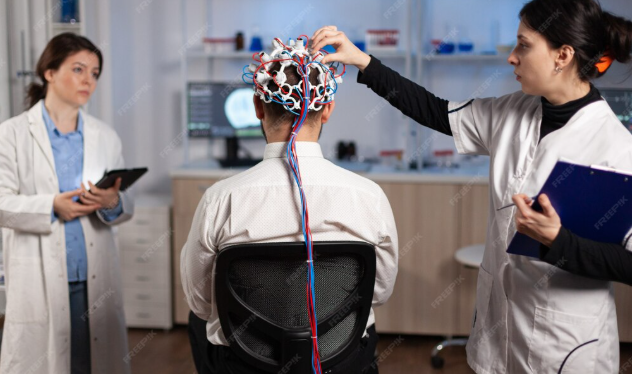
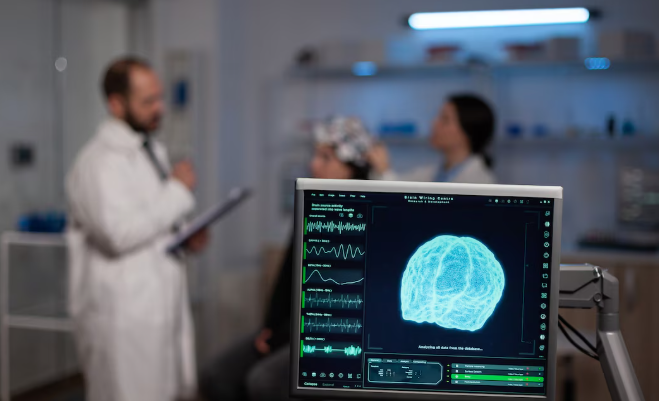
Design That Supports the Nervous System
At the heart of this practice is neuroarchitecture consulting informed by trauma theory, sensory integration, and environmental psychology. Spaces are evaluated through how the brain and body respond to light, color, texture, sound, and spatial flow. This form of therapeutic design consulting prioritizes regulation first, ensuring that environments feel safe, coherent, and supportive before aesthetics are layered in.
Residential Spaces Designed for Emotional Wellbeing
Through residential neurodesign consultation, Psychitecture works with individuals, couples, and families to create homes that support rest, connection, and emotional resilience. This includes trauma-informed interior design approaches that account for personal history, attachment patterns, and sensory sensitivity. The goal of healing space design is alignment between how a home looks and how it feels to live in it.


Workplaces That Enhance Focus and Human Performance
Psychitecture offers workplace neurodesign consultancy for organizations seeking healthier and more effective environments. Using cognitive wellness design principles, spaces are shaped to reduce burnout, support focus, and improve interpersonal dynamics. This work is especially relevant for offices, studios, healthcare settings, and educational environments where chronic stress and overstimulation impact performance and morale.
Mental Health Focused Design for Real Life Use
Unlike trend-driven interiors, mental health focused interior design addresses how spaces are actually used under pressure. Design decisions are informed by stress patterns, workflow demands, and relational dynamics. Through neuroscience-based design services, Psychitecture helps ensure that spaces support emotional regulation, decision making, and recovery.
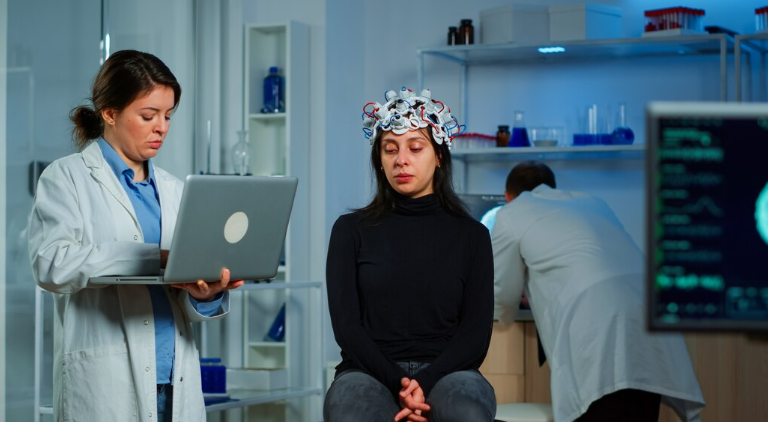
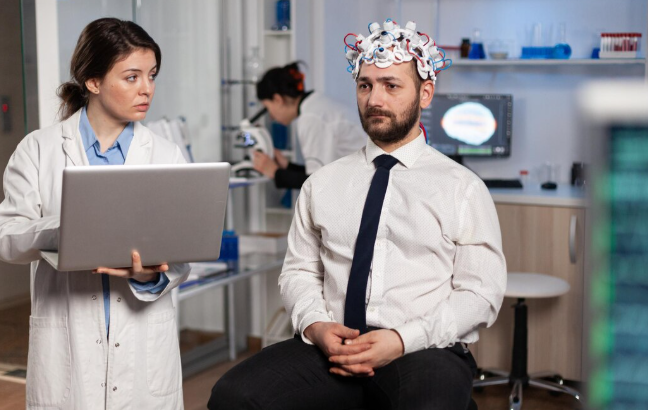
A Collaborative and Evidence Based Process
Neurodesign consultancy at Psychitecture often involves collaboration with architects, designers, developers, and clients. Dr. Rachel Melvald brings clinical expertise into the design process, helping translate psychological needs into functional and aesthetic outcomes. This approach to therapeutic design consulting ensures that design decisions are grounded in research, lived experience, and human-centered values.
Frequently Asked Questions
Neurodesign services apply neuroscience and psychology to interior and architectural design. The goal is to create environments that support emotional regulation, cognitive function, and overall well-being.
Neuroarchitecture consulting focuses on how the brain and nervous system respond to space. It goes beyond aesthetics to address stress, focus, sensory load, and emotional safety.
Residential neurodesign consultation may include sensory assessments, space planning guidance, color and material recommendations, and strategies for creating a healing space design that supports daily life.
Workplace neurodesign consultancy uses cognitive wellness design principles to reduce overstimulation, improve focus, and support healthier stress responses in professional environments.
Trauma-informed interior design benefits a wide range of people, not only those with identified trauma. It prioritizes safety, predictability, and nervous system support, which are universally helpful.
Neuroscience-based design services consider how light, sound, layout, and materials affect mood and regulation. This leads to mental health focused interior design that supports calm, clarity, and emotional balance.
Therapeutic design consulting often involves collaboration with architects and designers to ensure psychological insights are integrated into the design process effectively.
Homes, workplaces, healthcare environments, studios, and educational spaces can all benefit from healing space design that supports nervous system regulation and human connection.
Neurodesign consultancy at Psychitecture is grounded in neuroscience, environmental psychology, and trauma-informed theory, alongside decades of clinical experience.
If you want a space that supports wellbeing, focus, and emotional resilience, neurodesign services may be a strong fit for your needs.